The Evolution of Global Communication: A Deep Dive into Real-Time AI Multimodal Translation Tools

Introduction: The Dawn of Seamless Global Dialogue
In the era of rapid globalization, the linguistic divide remains one of the few remaining barriers to total human connectivity. For decades, translation was a fragmented process, relegated to static text or delayed human interpretation. However, the emergence of real-time AI multimodal translation tools has catalyzed a paradigm shift. These tools do not merely convert one set of words into another; they synthesize multiple inputs—including speech, text, vision, and even gestures—to provide a holistic communication experience. This article explores the sophisticated architecture, leading platforms, and profound implications of these technologies as they redefine how the world interacts.
Understanding Multimodality in Artificial Intelligence





To appreciate the significance of multimodal translation, one must first understand the concept of ‘multimodality.’ Traditionally, Artificial Intelligence (AI) models were unimodal, meaning they were designed to process a single type of data, such as text-to-text or audio-to-audio. Multimodal AI, conversely, is capable of interpreting and generating information across various formats simultaneously.
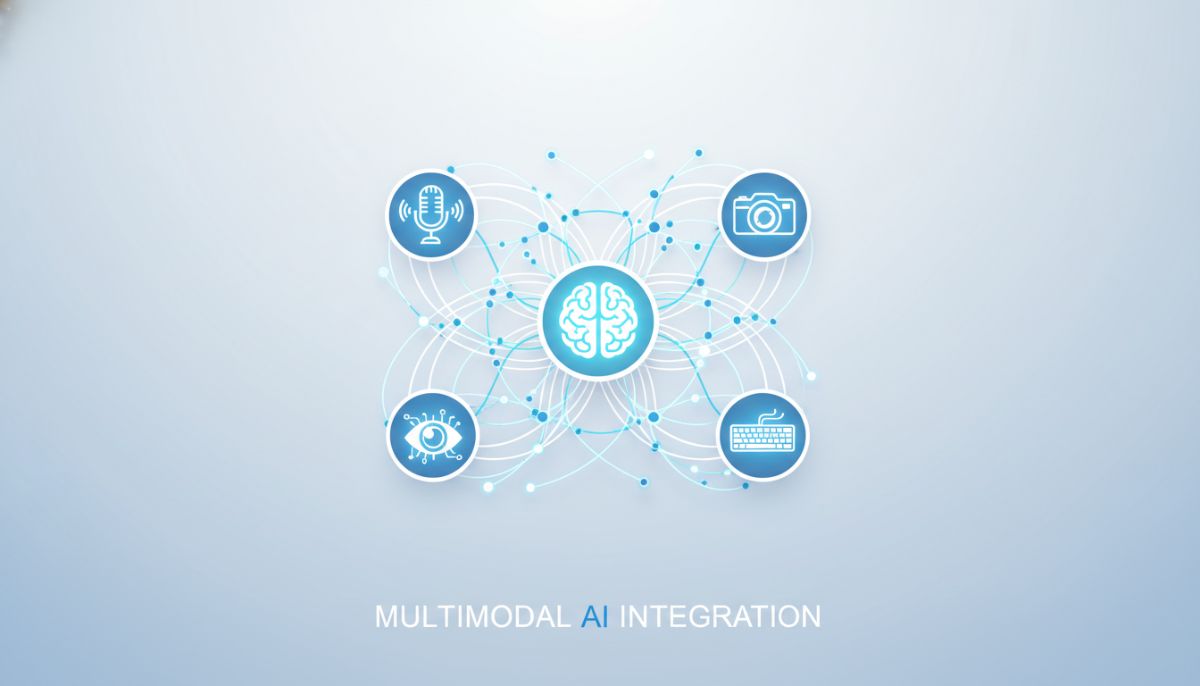
In the context of translation, this means a system can listen to a speaker (audio), analyze their facial expressions or sign language (visual), and provide a translated output in either audio or text format in real-time. This is achieved through the integration of Large Language Models (LLMs), Automatic Speech Recognition (ASR), and Computer Vision (CV), all working in a synchronized neural network. This synergy allows for a level of context-awareness that was previously unattainable, capturing nuances like tone, urgency, and situational cues.

The Top 4 Real-Time AI Multimodal Translation Solutions
As the technology matures, several key players have emerged, each offering unique strengths in the multimodal landscape. Below are four of the most influential tools and frameworks currently leading the industry.
1. Meta’s SeamlessM4T: The Foundation of All-in-One Translation
Meta’s SeamlessM4T (Massively Multilingual & Multimodal Machine Translation) is arguably the most ambitious project in this space. It is a single model capable of performing speech-to-speech, speech-to-text, text-to-speech, and text-to-text translation for nearly 100 languages.
Unlike traditional systems that rely on separate models for speech recognition and translation—which often leads to a ‘broken telephone’ effect where errors accumulate—SeamlessM4T handles the entire process in one pass. This reduces latency and improves accuracy. Its ability to maintain the speaker’s vocal characteristics (such as emotion and pitch) while translating into another language marks a significant milestone in making AI-translated speech sound human.
2. Google Lens and Augmented Reality Integration
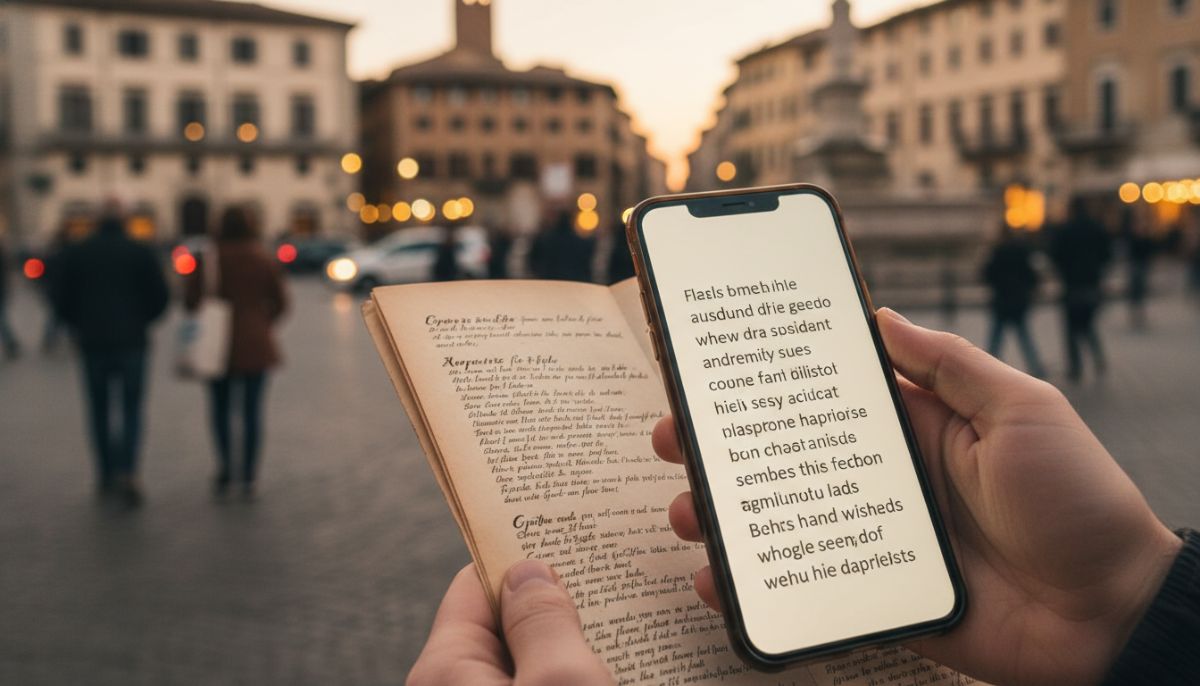
Google has long been a leader in translation, but its transition into multimodal vision is where it truly shines. Google Lens, integrated with Google Translate, allows users to point their cameras at physical text—menus, street signs, or documents—and see an instant overlay of the translation in their native language.
This ‘visual-to-text’ modality uses advanced Optical Character Recognition (OCR) and Generative AI to match the font style and background of the original image, providing a seamless visual experience. When paired with Google’s ‘Interpreter Mode’ on mobile devices and earbuds, it creates a comprehensive toolkit for real-time situational translation that bridges the gap between the digital and physical worlds.
3. Microsoft Azure AI Translator and Cognitive Services
For the enterprise sector, Microsoft’s Azure AI Translator provides a robust multimodal framework designed for scale and security. It offers ‘Custom Translator’ capabilities, allowing businesses to train models on industry-specific terminology.
Microsoft’s innovation lies in its ‘Speech Translation’ service, which supports multi-device conversation. This allows up to 100 people to communicate simultaneously in different languages, with the AI handling the cross-translation of speech and text across all connected devices. Furthermore, Microsoft is pioneering ‘Video Translation’ tools that can automatically dub video content while maintaining lip-syncing accuracy through visual AI, making it a powerful tool for global media and education.
4. Timekettle: The Pinnacle of Wearable Multimodal Hardware
While software companies dominate the algorithms, Timekettle has revolutionized the hardware aspect of real-time translation. Their flagship products, such as the WT2 Edge translator earbuds, represent the physical manifestation of multimodal AI.
These devices utilize ‘HybridComm’ technology, which manages the complex task of bidirectional speech translation. By integrating with various AI engines (including Google and Microsoft), Timekettle’s hardware focuses on ‘Natural Simplex’ and ‘Full-Duplex’ communication, allowing users to speak and hear translations simultaneously without the awkward pauses associated with handheld apps. This creates a hands-free, eye-contact-friendly experience essential for diplomatic and business negotiations.
The Impact of Multimodal Translation on Global Industry
The implications of these tools extend far beyond casual travel. In the medical field, real-time multimodal translation can be life-saving, allowing doctors to communicate with patients who speak different languages or use sign language during emergencies. In the legal sector, it ensures that all parties have an immediate and accurate understanding of proceedings, reducing the risk of judicial errors due to language barriers.
In the realm of education, multimodal AI facilitates ‘Global Classrooms,’ where students from various linguistic backgrounds can participate in a single lecture, receiving the content in their preferred modality (speech or text) in real-time. This democratizes information and fosters international collaboration on a scale never before seen.
Challenges and Ethical Considerations
Despite the rapid progress, several hurdles remain. The first is latency; for a conversation to feel natural, translation must occur in less than 200 milliseconds. Achieving this requires immense processing power, often necessitating ‘Edge Computing’ where the AI processes data locally on the device rather than in the cloud.
Secondly, there is the challenge of cultural nuance and idiomatic expressions. A literal translation of a phrase can often lead to misunderstandings or offense. Advanced AI models must be trained on vast, diverse datasets to understand the cultural context behind the words. Finally, data privacy remains a paramount concern. As these devices are constantly ‘listening’ or ‘seeing,’ ensuring that personal and corporate data is not misused or leaked is a critical responsibility for developers.
Conclusion: Toward a Post-Language Barrier World
Real-time AI multimodal translation tools are not just a technological novelty; they are the foundation of a more inclusive and integrated global society. By moving beyond the limitations of text and embracing the complexity of human speech and vision, these tools are bringing us closer to the legendary ‘Babel Fish’—a device that makes universal understanding possible. As these technologies continue to evolve, the focus will likely shift toward even greater miniaturization and the inclusion of more low-resource languages, ensuring that no culture is left behind in the digital age. We are entering an era where what you say, how you say it, and what you see can be understood by anyone, anywhere, instantly.